Let's be real about antidepressants and pleasure
SSRIs and SNRIs changed your life. They steadied the crash, quieted the intrusive thoughts, let you sleep. Worth it. Also true: they made arousal feel like trying to start a car with a dead battery. You turn the key. Nothing happens. You try again. Still nothing.
That flatness is not in your head. It's not a sign the medication is failing or that you're broken. It's a direct neurochemical consequence of how these drugs work. And it's fixable.
What antidepressants actually do to arousal
SSRIs (sertraline, fluoxetine, paroxetine, citalopram) and SNRIs (venlafaxine, duloxetine) increase serotonin availability in your brain. That's how they ease depression. But serotonin also inhibits dopamine in the sexual reward pathway. Higher serotonin equals lower dopamine equals arousal that feels distant, muted, or completely absent.
Orgasm often gets hit hardest. Your nervous system can still technically reach climax, but the route there is longer. The intensity is softer. For some people, orgasm becomes possible only under very specific conditions. For others, it feels genuinely unreachable.
This affects roughly 40-60% of people taking SSRIs, depending on the drug and the dose. It's common enough to be boring, rare enough that your doctor might not bring it up unprompted.
Why lemon vibrators work better than your own touch
When arousal is flat, your body needs more consistent, focused stimulation to cross the threshold into pleasure. Fingers and hands, no matter how skilled, can't maintain perfect rhythm for 20 or 40 minutes. They get tired. The pressure fluctuates. Your mind drifts.
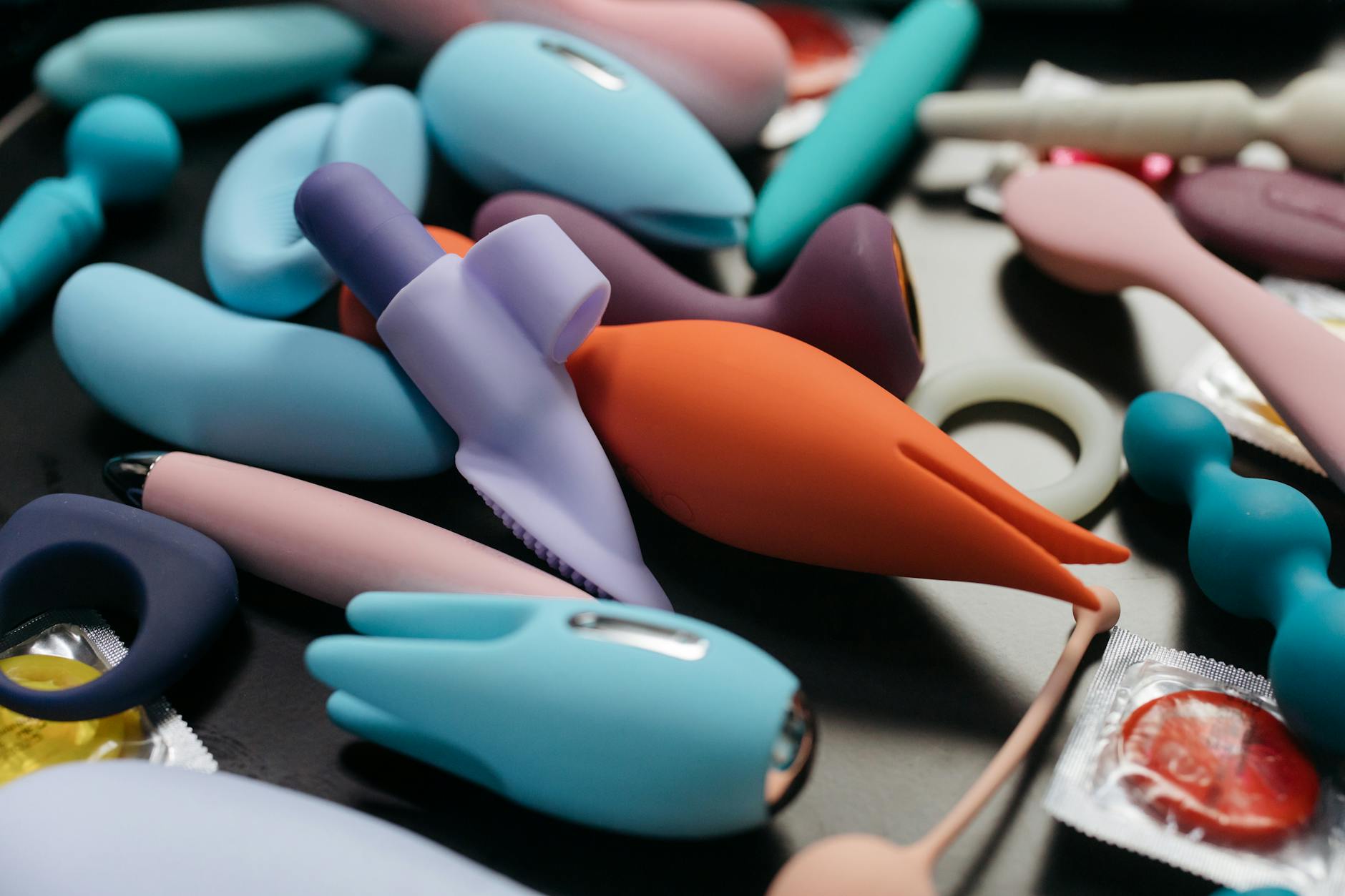
Lemon clitoral vibrators, especially suction-based devices like the Lem, offer something different. They deliver consistent, hands-free stimulation that doesn't rely on you sustaining effort or your partner coordinating touch. You set it and let the sensation build. For flattened arousal specifically, this is huge.
The suction motion also stimulates more nerve endings across a wider area without the kind of intense direct friction that can feel overwhelming or numb when medication has dulled sensation. It's persistent without being aggressive. That matters when your nervous system is running on lower sensitivity.
The three-part rebuild: dose, device, and time
First: Talk to your prescriber about dosing or switching. Not to quit the medication, but to optimize it. Sometimes lowering the dose helps with sexual side effects without sacrificing mood stability. Sometimes switching to bupropion (which doesn't suppress dopamine) or adding bupropion to your current med shifts things. Sometimes trying a different SSRI works. These conversations are standard and worth having.
Second: Give yourself a realistic timeline. Sexual recovery after starting medication takes weeks, sometimes months. Your brain isn't broken. It's recalibrating. Using a lemon clitoral vibrator during this window isn't a workaround. It's a tool that helps your nervous system remember what pleasure feels like while your chemistry is still shifting.
Third: Use your device intentionally. Pick a time when you have 20-30 uninterrupted minutes, minimal pressure, and genuine curiosity. Not "I need to prove I can still orgasm," but "I'm going to explore what feels good right now." Lower expectations protect your nervous system from the cascade of shame and frustration that flattened arousal often brings.
How to actually use your lemon vibrator when medication is involved
Start with the lowest pattern. If you're using a lemon clitoral vibrator like the Lem, begin at pattern 1 or 2. The goal isn't to reach climax in five minutes. It's to notice what sensation registers. Spend 5-10 minutes here without pushing toward orgasm.
Then move slightly, tilt the device angle, or try pattern 3 if 1 and 2 feel flat. The key is exploration, not achievement. Your nervous system needs permission to feel things without orgasm being mandatory.
Many people find that after 15-20 minutes of consistent, varied stimulation, something shifts. Arousal has a threshold. Below it, everything feels muted. Once you cross it, even slightly, pleasure becomes possible. But crossing that threshold on medication often requires more time and more focused stimulus than it did before.
If you're using a lemon vibrator with a partner, they can control patterns while you relax. This removes the mental load of managing the device and lets you focus on sensation. Some people find that partnered play with lemon sexual toys helps rebuild intimacy even when solo exploration still feels too frustrating.
Timing, lubrication, and managing frustration
Antidepressant-related arousal flatness is worse when you're stressed, tired, or trying to force it. Use your lemon vibrator on nights when you're actually rested. This matters more than you'd think.
Use water-based lube even if you don't think you need it. Medication can affect natural lubrication too. Lube reduces friction, lets the suction motion work more smoothly, and removes one layer of physical resistance your nervous system has to overcome.
Managing frustration is the hidden work here. When arousal is this hard to access, shame sneaks in. "Something is wrong with me. I'm broken. Sex will never feel normal again." None of that is true. Your brain chemistry is temporarily dampened. That's different from broken. Using lemon adult toys without expecting instant orgasm helps you separate the two.
When to check in with your provider again
If sexual side effects haven't improved after 8-12 weeks on your current dose and strategy, loop your prescriber back in. This isn't a personal failing. It's information. Medication adjustments, augmentation (adding a second drug to counteract sexual side effects), or switching are all legitimate clinical moves.
If you're experiencing pain during stimulation or complete numbness that doesn't shift with time and device use, that's worth mentioning too. Medication can occasionally cause other physical changes that need attention.
And if your mood starts to destabilize when you lower your dose or switch meds, that's not a sign to just accept the sexual side effects. It's a sign to talk to your provider about other approaches. Your mental health and your sexual health are both non-negotiable.
The long view
Medication-related arousal flatness often improves with time, even without changing anything. Your body adapts. Pleasure returns. But that adaptation happens faster and more completely when you're actively engaging with sensation using tools that work with your brain chemistry, not against it. Lemon clitoral vibrators bridge that gap.
If you're rebuilding pleasure after antidepressants, the act of exploring sensation with a device is also an act of reclaiming your body. You're not waiting for medication to fix itself. You're taking an active role. That matters psychologically too.