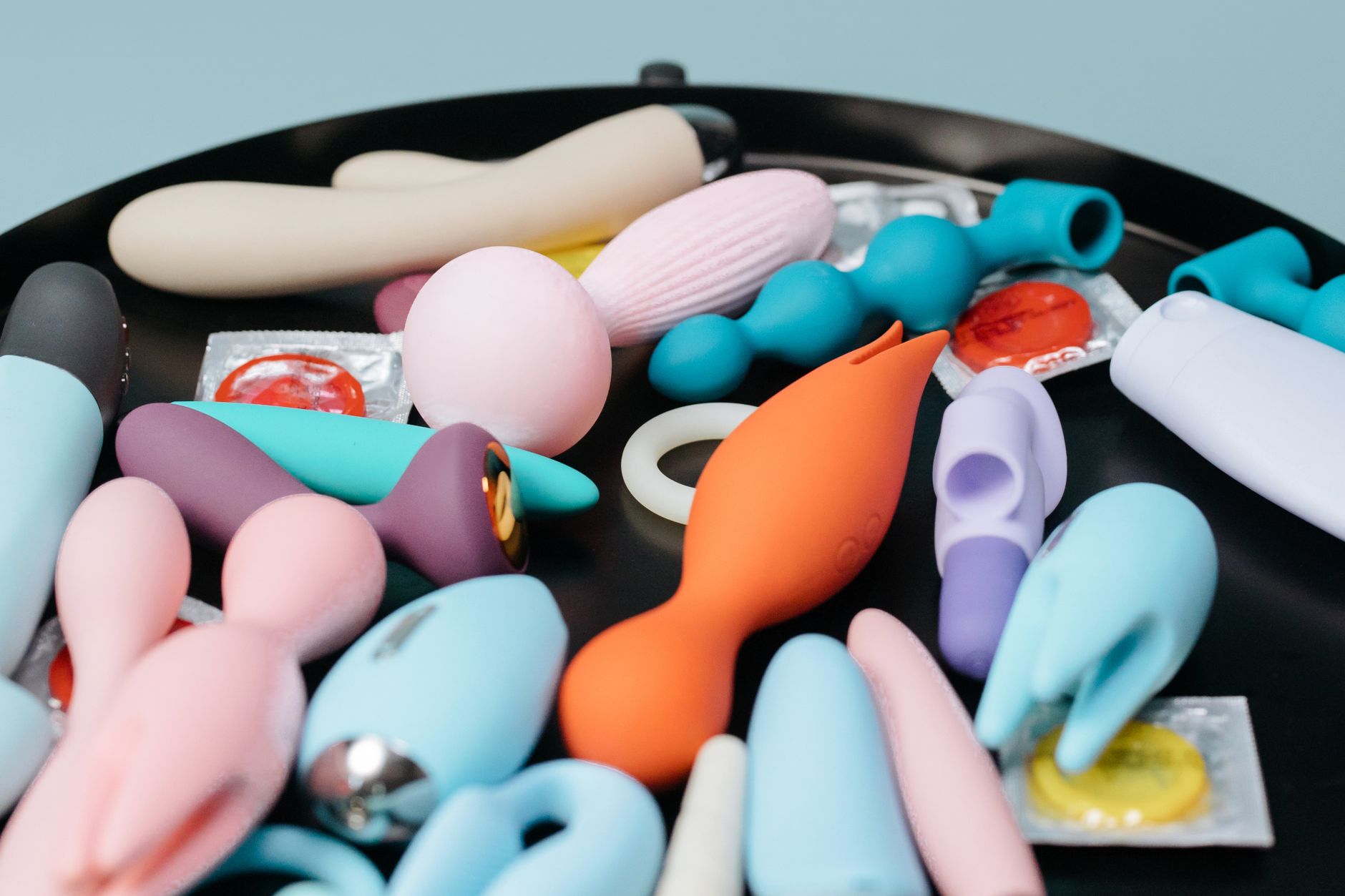
Here's the thing about sensitive clits
If you've ever felt that sharp, almost electric discomfort from direct clitoral stimulation, you're not alone. About 40% of people with clits report hypersensitivity to direct vibration. This doesn't mean your clit is broken. It means the nerve density in your clitoral glans is doing exactly what it's supposed to do—registering sensation intensely.
The problem isn't your body. It's the tool.
Most vibrators apply vibration directly to tissue. If your clit is already supersensitive, that's like turning up the volume on an amp that's already at maximum. Lemon vibrators—and other clitoral vibrators using suction technology—work differently. They create a gentle pulling sensation that stimulates the clitoral structure without direct mechanical friction.
This changes everything.
How suction vibrators actually work
Let's break down the physics, because it's genuinely interesting. A suction vibrator (like the Lem) uses a sealed chamber around the clitoral area. When activated, the device creates rhythmic cycles of pressure increase and decrease—essentially gentle pulsing suction.
This stimulation hits different nerve pathways than vibration does. Instead of the rapid side-to-side movement you get from a traditional vibrator, suction activates the suction-sensitive receptors in the clitoral tissue. Those receptors are less prone to overstimulation because they're designed to handle varying pressure rather than constant buzzing.
Think of it this way: vibration is like tapping on a window repeatedly. Suction is like cupping your hand and drawing a breath—it's a different sensation entirely, and it recruits different neural pathways.
For sensitive clits, this distinction is massive.
Why sensitive clits respond better to suction
Your clitoris has roughly 8,000 nerve endings. All of them are concentrated in a space the size of a pea. When those nerves are already firing easily, you need stimulation that's sophisticated, not just intense.
Suction technology does three things traditional vibrators often can't:
1. It distributes pressure more evenly. Rather than a single point of high-frequency vibration, suction spreads the sensation across the entire clitoral glans. This is gentler on tissue and reduces that sharp, almost painful sensation some people report.
2. It engages the internal clitoral structure. Most people don't realize the clit extends internally—there's a whole structure of erectile tissue that runs deeper. Suction stimulation can engage these deeper zones without requiring aggressive direct contact on the surface.
3. It's easier to control gradually. With lemon vibrators and similar suction devices, you can start at lower intensity and work up, which feels more natural for sensitive bodies. The sensation builds instead of shocking your system.
This is why many people who've never successfully used a vibrator report near-immediate success with suction-based clitoral vibrators.
The difference between vibration intensity and stimulation quality
Here's a trap I see constantly: people with sensitive clits assume they need a "lower power" vibrator. So they buy something cheaper, turn it to the lowest setting, and hope.
That's backwards. Power and quality are different. A vibrator with three speeds all operating on the same vibratory mechanism still vibrates the same way—you're just changing the speed. It's like turning down the volume on a speaker playing the wrong song. The song doesn't get better.
Lemon vibrators, by contrast, use an entirely different stimulation mechanism. Even at higher settings, the sensation profile is suction-based, not vibratory. You're not choosing between bad and worse. You're choosing a fundamentally different experience.
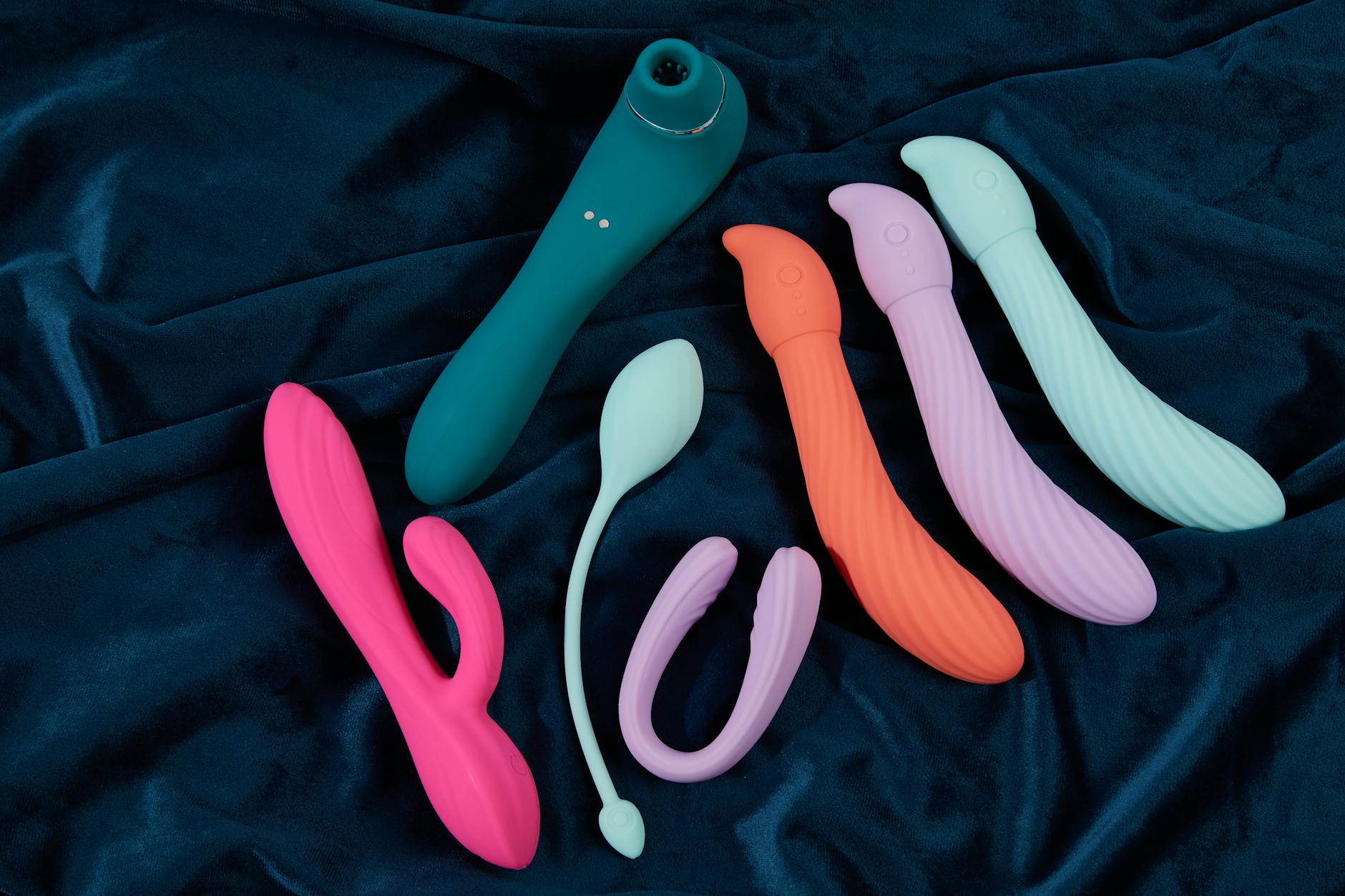
Photo by IFONNX Toys on Pexels
This is why I often recommend people with sensitive clits start with a suction vibrator rather than trying multiple traditional vibrators at different power levels.
Starting with a lemon vibrator if you're sensitive
If you're new to suction vibrators, here's how to approach it:
Pick the right fit first. Suction vibrators work because they create a seal around your clitoral area. If the cup opening is too large or too small, you won't get the optimal sensation. Many come with different cup sizes for exactly this reason. Spend time finding the one that feels snug but comfortable—not tight, not loose.
Start with the lowest setting. Even though suction is gentler than vibration, your body still needs time to learn the sensation. Begin with pattern 1 or the gentlest pulse mode.
Use plenty of lubrication. This helps create a better seal and makes the experience more comfortable. Water-based lubricant works with all materials and won't degrade your toy.
Give it at least three sessions. Your nervous system needs time to map this new sensation. Many people report that the first session feels strange, the second feels better, and by the third they're hooked.
Combine it with other touch. Suction vibrators work beautifully alongside partnered touch. Using your hands on other areas of your body while using a clitoral vibrator can enhance arousal and make the overall experience more rounded.
When suction technology genuinely isn't the answer
Lemon vibrators and other suction clitoral vibrators work for most people with sensitive clits, but not everyone. A few scenarios where you might want to reconsider:
If you have significant pain during any kind of clitoral contact, suction won't fix an underlying condition. Pain deserves professional attention. A gynecologist or sex medicine specialist should rule out vulvodynia or other tissue issues before investing in any new toy.
If you're someone whose arousal drops quickly once you're stimulating just one area, you might find that the focused, intense sensation of suction actually becomes too concentrated. Some people need broader, less targeted stimulation. In that case, a broader-coverage vibrator might serve you better. That's not a failure of the technology. It's just individual variation.
If you've had negative experiences with toys in the past (trauma, associations), the technology won't matter. You might benefit from working with a sex therapist or somatic practitioner first to rebuild safety and sensation.
The science behind why this actually works
This isn't marketing speak. The neuroscience here is solid. A 2018 study published in the Journal of Sexual Medicine examined the neural activation patterns in people using different types of clitoral stimulation. Suction-based stimulation activated different brain regions than vibration—specifically areas associated with sensation mapping rather than rapid-reflex response.
In plain English: your brain processes suction differently than vibration. It's not more intense. It's a different signal entirely.
For people whose nervous systems are already hypersensitive, different is often exactly what you need. You're not turning down the volume. You're changing the frequency.
The practical stuff: what to actually expect
If you're considering lemon vibrators or other suction clitoral vibrators for sensitivity reasons, here's what real people report:
Orgasms often feel more full-bodied. Because suction engages the internal clitoral structure, many people report that climaxes involve more of the pelvic region rather than just surface sensation.
Buildup feels more gradual. Instead of ramping intensity until something clicks, you usually experience a longer, more progressive climb. Some people love this. Others find it slower than they'd prefer. Both responses are totally normal.
Sensation is less likely to become numb or desensitized. Traditional vibration can sometimes create that paradoxical numbness where more intensity actually makes the sensation duller. Suction stimulation, working through different nerve pathways, tends to maintain clarity throughout.
There's usually less need to "tough through" discomfort. Sensitive people often feel they have to endure discomfort to reach pleasure. With the right suction vibrator, that equation shifts. Pleasure shouldn't require tolerating pain.
FAQ: Your questions about lemon vibrators and sensitive clits
Is a lemon clitoral vibrator safe for extremely sensitive skin?
Yes. Suction vibrators are medical-grade silicone and don't contain any irritants. That said, if you have vulvovaginal inflammation (thrush, dermatitis, etc.), you'll want to wait until it clears up. Stimulation during inflammation is uncomfortable and delays healing. See a healthcare provider if inflammation persists longer than a few days.
Can I use a lemon vibrator with a partner?
Absolutely. Many suction clitoral vibrators are designed for partnered use. Some people use them solo; others incorporate them into partnered sex. The key is communication about rhythm, intensity, and what feels good. That's true of any toy.
How long do the batteries usually last?
Most lem vibrators offer between 60 to 90 minutes of continuous use per charge. Real-world sessions are usually 10 to 30 minutes, so you're looking at multiple uses before needing to recharge. Always charge fully before first use.
Will a lemon vibrator work if I'm on medication that affects sensation?
Maybe. Some medications (SSRIs, blood pressure meds, antihistamines) can blunt sexual sensation. A different tool won't overcome that. If your medication is suppressing sensation, that's a conversation for your prescriber. Sometimes the solution is dosage adjustment, medication change, or additional support like therapy. A toy is a tool, not a workaround for a medical issue.
How do I clean a suction clitoral vibrator?
Wash with warm soapy water after use, rinse thoroughly, and pat dry before storing. Most modern devices are waterproof for rinsing but not submersion. Check your specific toy's instructions. Never use harsh chemicals or bleach.
What's the difference between a lemon vibrator and other suction vibrators?
Lemon vibrators use patented suction technology designed specifically for clitoral stimulation, while other brands offer similar mechanisms with different cup sizes, intensity patterns, and designs. The core technology is comparable—suction rather than vibration. The difference is usually in ergonomics, noise level, and intensity range. I'd recommend comparing based on your specific preferences rather than brand alone.
The actual bottom line
Your sensitive clit isn't a problem to solve. It's a signal to listen to. That hypersensitivity exists for a reason—it means your nervous system is responsive and awake.
The question isn't how to make your clit less sensitive. It's how to find the right kind of stimulation for the sensitivity you have. For many people, that answer is suction technology. Lemon vibrators and similar clitoral vibrators offer a genuinely different sensation profile than traditional vibration.
If you've tried multiple vibrators and felt frustrated, it might not be that you can't enjoy toys. It might be that you haven't found the right mechanism yet.
Ready to explore? Start with a lower-intensity suction vibrator, use plenty of lube, give your body time to adjust, and notice what actually feels good instead of what you think should feel good.
Your pleasure matters. So does finding tools that respect your body's actual needs.
If you're still deciding whether a lemon vibrator is right for you, our buying guide walks through different stimulation types and which bodies tend to prefer each one. And if you have questions about what might work for your specific situation, reach out. That's what we're here for.